
Les Épicuriens Weekly – Books & Culture
- Dimitris Schoen
- Jul 11
- 3 min read
Updated: 2 days ago

At Les Épicuriens, we're delighted to begin this week's edition with a novel that has become a television phenomenon: Heated Rivalry. Now adapted into a hit series on HBO Max, it tells the moving love story of two professional hockey players. We were completely captivated by the compelling narrative and the remarkable chemistry between the lead actors, and we can't wait for Season 2.
Before it became a successful television series, Heated Rivalry was a bestselling novel by Rachel Reid. Beyond being a gifted storyteller, Reid also lives with Parkinson's disease. Her determination and creativity make her work even more inspiring. She is a wonderful example of resilience, and everyone at Les Épicuriens greatly admires her.
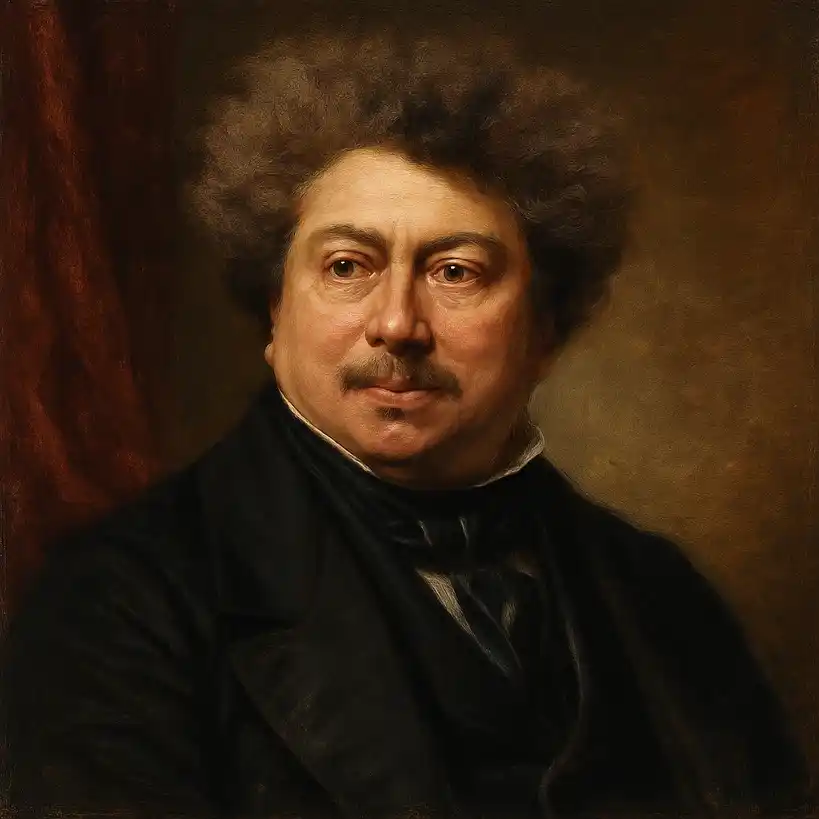


This week, we also return to one of the greatest names in French literature: Alexandre Dumas, the author of The Count of Monte Cristo and The Three Musketeers. Our founder first discovered Dumas at school, and these novels remain among his favourite classics. If you're looking for the perfect summer read, The Count of Monte Cristo is an excellent choice.
The novel follows Edmond Dantès, a young sailor who is falsely accused of a crime he did not commit and imprisoned. While he languishes behind bars, his fiancée, Mercédès, is persuaded to marry one of the men responsible for his downfall. In prison, Dantès meets Abbé Faria, who becomes his mentor and reveals the location of a hidden treasure. After escaping, Dantès returns as the mysterious Count of Monte Cristo, determined to decide whether his newfound fortune should be used for justice, forgiveness, or revenge.
The novel has inspired numerous film and television adaptations. Among the most memorable is the recent French adaptation starring Pierre Niney. Dumas' novels continue to captivate readers around the world, and at Les Épicuriens, we wholeheartedly recommend discovering—or rediscovering—his timeless masterpieces.

Our next recommendation is The Odyssey Mindset by Dr. Sam Akbar, an outstanding new book by the Irish-Iraqi author and mental health expert. Drawing on Homer's Odyssey, Dr. Akbar combines ancient wisdom with modern, evidence-based psychology to present seven practical lessons for navigating life's challenges. It is an engaging and thought-provoking read, and one we warmly recommend.

History lovers should also look out for Self-Help from the Middle Ages by historian Peter Jones. In this fascinating work, Jones explores medieval Europe, where confession served as therapy, sin was seen as diagnosis, and the Seven Deadly Sins provided a framework for understanding human behaviour. From the deserts of Egypt to the Vatican Library, he introduces readers to the thinkers, mystics, and reformers who wrestled with many of the same questions we still ask today.
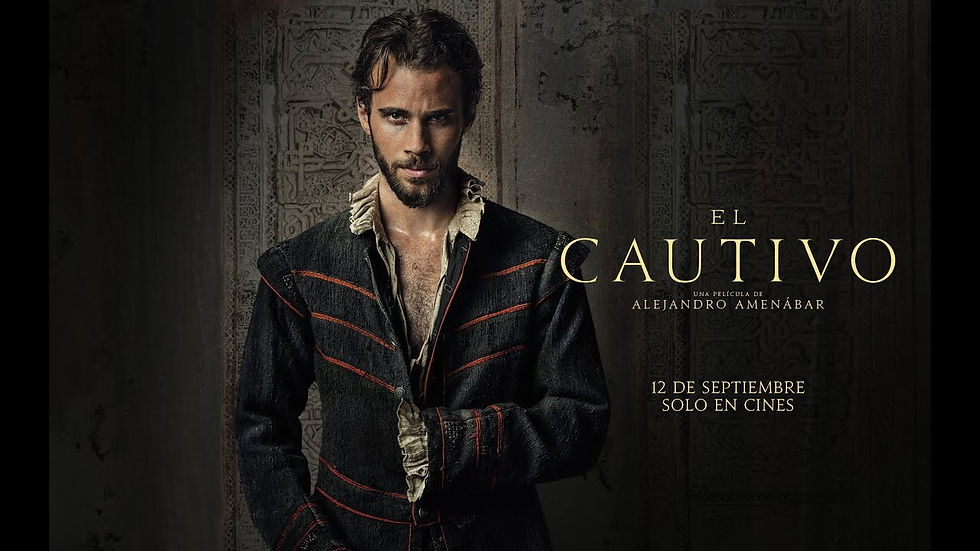
Finally, we recommend the film El Cautivo, directed by Alejandro Amenábar, which explores the early years of Miguel de Cervantes, one of Spain's greatest writers. We watched the film in Spanish and were deeply impressed. The performances are outstanding, particularly Julio Peña Fernández's as the young Cervantes. Set largely in Algeria during Cervantes' captivity, the film vividly portrays both his personal struggles and the historical context that shaped his future masterpiece, Don Quixote. Alessandro Borghi also delivers a memorable performance. Whether you're a fan of Cervantes or simply enjoy historical dramas, El Cautivo is a film well worth watching.
Great literature often emerges from adversity. The authors and stories featured this week remind us that resilience, imagination, and hope have the power to create works that endure for generations. Happy reading—and happy watching—from all of us at Les Épicuriens.

